Affiliate Marketing Using Pinterest YouTube: Unlock New Revenue Streams
In 2023, the intersection of visual platforms like Pinterest and video-sharing giants like YouTube has created a unique ecosystem for affiliate marketing. This is not merely a trend; it's a robust strategy that can significantly increase revenue. The keyword phrase affiliate marketing using pinterest youtube encapsulates this emerging approach, signifying a powerful method to leverage both platforms for maximum reach and engagement. Brands that effectively exploit this synergy stand to gain unparalleled visibility and sales conversions.
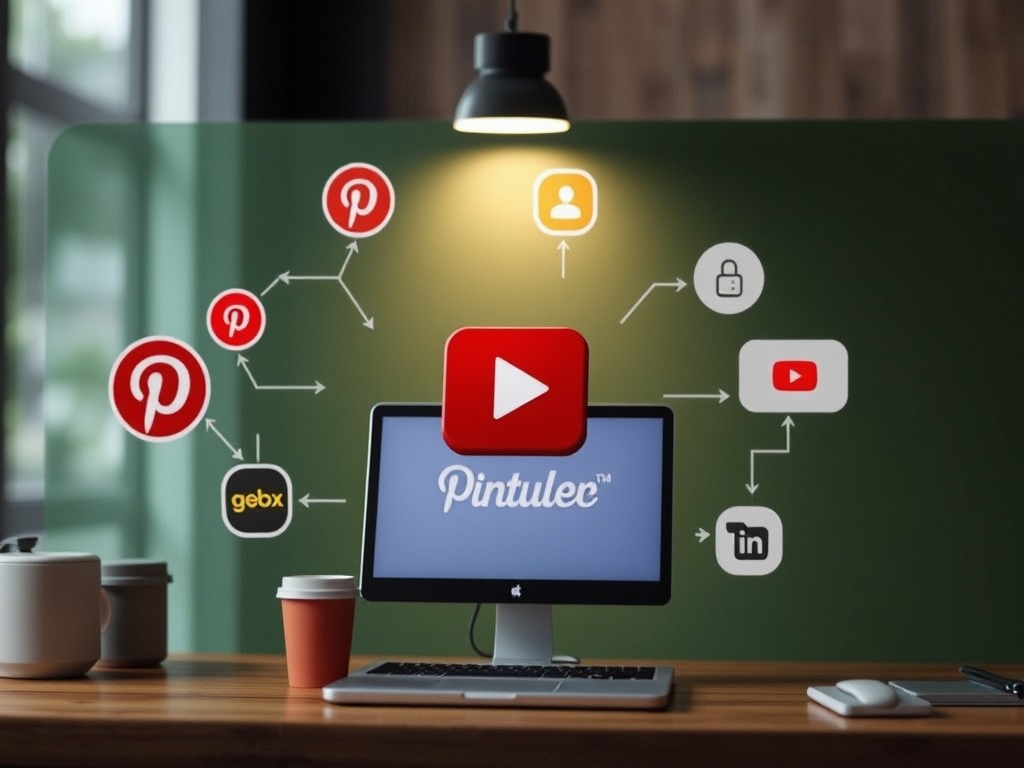
The rise of affiliate marketing using Pinterest YouTube has demonstrated that influencers and brands alike can capitalize on the unique strengths of these platforms. Pinterest’s visual appeal complements YouTube’s storytelling capabilities, creating a versatile marketing landscape. Users on Pinterest are often in a planning mindset, while YouTube audiences seek informative and entertaining content. By combining these strategies, marketers can create a dynamic approach that captures attention and drives sales. Affiliate marketing using pinterest youtube is not just about posting links; it requires a nuanced understanding of audience behavior and platform algorithms.
⚡ TL;DR: This guide explains how to leverage affiliate marketing using Pinterest YouTube for increased revenue streams.
📋 What You'll Learn
In this comprehensive guide about affiliate marketing using pinterest youtube, we've compiled everything you need to know. Here's what this covers:
- Learn effective strategies – Understand how to utilize the strengths of both Pinterest and YouTube for affiliate marketing.
- Discover audience behavior – Gain insights into how users interact with each platform and how to tailor content accordingly.
- Master content creation – Explore techniques for producing engaging visuals and videos that resonate with target audiences.
- Optimize link tracking – Utilize analytics tools for measuring performance and refining marketing strategies.
Advanced Insights & Strategy
To harness the potential of affiliate marketing using Pinterest YouTube, marketers must adopt a multi-faceted strategy. The first step involves understanding the unique algorithms and user behaviors associated with each platform. Pinterest operates on a discovery model, prioritizing visually appealing pins that link to high-quality content. In contrast, YouTube relies heavily on engagement metrics such as watch time and interaction rates.
Data from HubSpot indicates that 54% of users on Pinterest use the platform to plan purchases, while YouTube boasts over 2 billion logged-in monthly users, of whom 70% report that they have bought a product after seeing it advertised on the platform. This presents an extraordinary opportunity for brands to integrate their marketing efforts effectively.
Understanding the Platforms: Pinterest and YouTube
Both Pinterest and YouTube serve distinct yet complementary roles in the digital marketing landscape. Pinterest is primarily a visual discovery tool, often used for inspiration and planning. According to a report by Statista, 89% of Pinterest users come to the platform to find new ideas. This positions Pinterest as an ideal channel for affiliate marketing, as users are often searching for products that align with their interests.
YouTube, on the other hand, capitalizes on video content to engage users, making it a perfect platform for storytelling and product demonstrations. A survey from Google revealed that 70% of YouTube users have purchased a product after seeing it advertised on the platform. Leveraging both platforms allows marketers to engage users at different stages of the buying journey, from inspiration to decision-making.
Creating Engaging Content for Affiliate Marketing
The essence of successful affiliate marketing using Pinterest YouTube lies in creating content that resonates with the target audience. Visual storytelling is crucial on Pinterest. High-quality images, infographics, and pins that include rich descriptions can draw users in and encourage clicks. Tools like Canva allow marketers to design visually appealing pins tailored to their brand aesthetic and audience preferences.
For YouTube, crafting engaging video content is paramount. Tutorials, product reviews, and unboxing videos are effective formats. According to a 2023 survey by Wyzowl, 79% of consumers prefer watching a video to learn about a product rather than reading about it. This statistic underscores the importance of creating compelling video content that not only entertains but also informs the audience about the products being promoted.
Optimizing Affiliate Links and Tracking Performance
Once engaging content is created, the next step involves optimizing affiliate links effectively. Using link shorteners like Bitly can help track performance metrics and engagement rates. Additionally, incorporating UTM parameters into links allows marketers to see which platform—Pinterest or YouTube—is driving traffic and conversions.
Analytics tools from both platforms provide insights that can inform future campaigns. Pinterest Analytics offers data on impressions, clicks, and audience demographics, while YouTube Analytics provides detailed reports on viewer engagement and traffic sources. Marketers can use these insights to refine their strategies, optimizing content based on what resonates best with their audience.
Case Studies: Successful Campaigns
Examining successful case studies can provide valuable insights into effective strategies. For example, the home décor brand, Wayfair, utilized Pinterest and YouTube to launch an integrated campaign that resulted in a 36% increase in website traffic. By creating visually appealing pins that led to YouTube tutorials on home styling, they captured the interest of potential customers at multiple touchpoints.
Similarly, beauty influencer NikkieTutorials leveraged both platforms effectively. By sharing product reviews on YouTube and creating corresponding Pinterest boards, she was able to drive significant traffic to her affiliate links, resulting in a reported 22% increase in sales for the products she promoted. These case studies exemplify the potential of affiliate marketing using pinterest youtube when executed thoughtfully.
Measuring Success in Affiliate Marketing
Measurement is a critical component of any affiliate marketing campaign. Utilizing tools such as Google Analytics and platform-specific insights will help marketers assess the performance of their campaigns effectively. Establishing clear KPIs—such as click-through rates, conversion rates, and overall ROI—can provide a framework for success.
A comprehensive report from eMarketer revealed that businesses that actively measure their affiliate marketing performance see an average ROI of 15.3%. By focusing on data-driven insights, marketers can make informed decisions, optimizing their strategies for affiliate marketing using Pinterest YouTube to maximize profitability.

Leveraging Trends and Seasonal Campaigns
Staying ahead of trends is vital for effective affiliate marketing. Seasonal campaigns can significantly boost visibility and engagement. For instance, holiday-themed content tends to perform exceptionally well on both platforms. According to Pinterest’s internal data, searches for holiday-related content increase by an average of 65% during peak seasons.
YouTube’s algorithm favors timely content. Marketers can capitalize on trending topics to boost visibility. Identifying seasonal trends allows for strategic planning and content creation that aligns with user interests, thereby enhancing the effectiveness of affiliate marketing using pinterest youtube campaigns.
Understanding Audience Demographics
Demographics play a significant role in tailoring content for affiliate marketing. Pinterest users predominantly consist of women, with 60% of U.S. adults aged 18-49 using the platform. Conversely, YouTube attracts a more diverse audience, with nearly 90% of users falling within the 18-49 age bracket. Understanding these demographics enables marketers to tailor their content and affiliate offers accordingly.
By creating specific content targeting these demographics, brands can improve engagement and drive conversions. For instance, brands focusing on home décor might find greater success on Pinterest, while tech gadgets may perform better on YouTube. This nuanced understanding of audience demographics is crucial for optimizing campaigns.
Frequently Asked Questions About affiliate marketing using pinterest youtube
What are the best practices for affiliate marketing using Pinterest YouTube?
Best practices include creating high-quality, engaging content tailored to each platform's strengths. Use visually appealing pins on Pinterest and storytelling techniques in YouTube videos. Incorporate effective affiliate links, track performance meticulously, and leverage analytics to refine strategies.
How can I measure the success of my affiliate marketing using Pinterest YouTube?
Success can be measured through various metrics such as click-through rates, conversion rates, and ROI. Utilize tools like Google Analytics and platform-specific insights to track performance and make data-driven decisions.
What types of content work best for affiliate marketing using Pinterest YouTube?
Visual content such as infographics and styled images work well on Pinterest, while tutorials and product reviews are effective on YouTube. Combining both can create a comprehensive marketing strategy that engages users at multiple touchpoints.
Can I integrate affiliate marketing using Pinterest YouTube with other social media platforms?
Absolutely. Integrating campaigns across various platforms like Instagram and Facebook can enhance visibility. Cross-promoting content increases user engagement and broadens the reach of affiliate marketing efforts.
What are the challenges of affiliate marketing using Pinterest YouTube?
Challenges include competition for attention and the need for consistent, high-quality content. Additionally, staying updated with algorithm changes and user preferences is crucial for maintaining success in affiliate marketing campaigns.
How do I choose the right affiliate products for my audience?
Choosing the right products involves understanding your audience's interests and preferences. Conducting surveys, analyzing engagement metrics, and reviewing market trends can provide insights into what products will resonate with your audience.
Is it necessary to disclose affiliate links on Pinterest and YouTube?
Yes, it is mandatory to disclose affiliate links to maintain transparency with your audience. The Federal Trade Commission (FTC) requires influencers and marketers to disclose relationships with brands, ensuring ethical marketing practices.
How often should I post on Pinterest and YouTube for affiliate marketing?
Posting frequency depends on your audience engagement and content quality. For Pinterest, aim for 3-5 pins daily, while for YouTube, 1-2 high-quality videos per week can maintain audience interest and engagement.
Conclusion
Affiliate marketing using Pinterest YouTube presents a unique opportunity for brands to tap into the strengths of both platforms. By understanding audience behaviors, creating engaging content, and implementing data-driven strategies, marketers can unlock new revenue streams. The ability to seamlessly integrate visual inspiration with informative video content allows for a comprehensive approach that can drive significant sales conversions. Embracing this strategy not only enhances brand visibility but also fosters deeper connections with potential customers.

Find out more information about “affiliate marketing using pinterest youtube”
Search for more resources and information: